
Leaving things better than we found them
We conducted a materiality assessment to identify the environmental and social issues, risks and opportunities most significant to Dr. Martens. The process was informed by industry best practice reviews, peer benchmarking and long-term trend analysis.
In total, we identified twelve priority areas, with an additional eight to manage and maintain.
This work helped to inform the development of our long-term sustainability commitments, and it enables us to focus our resources and efforts in the areas where we can make the most impact.
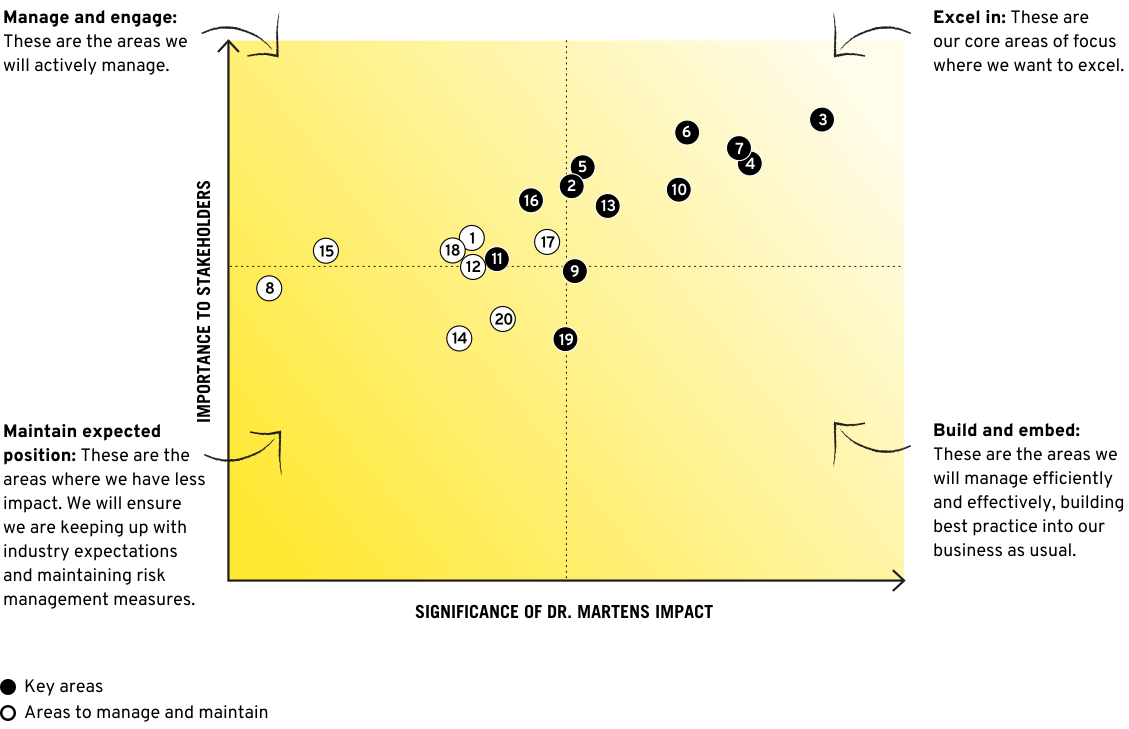
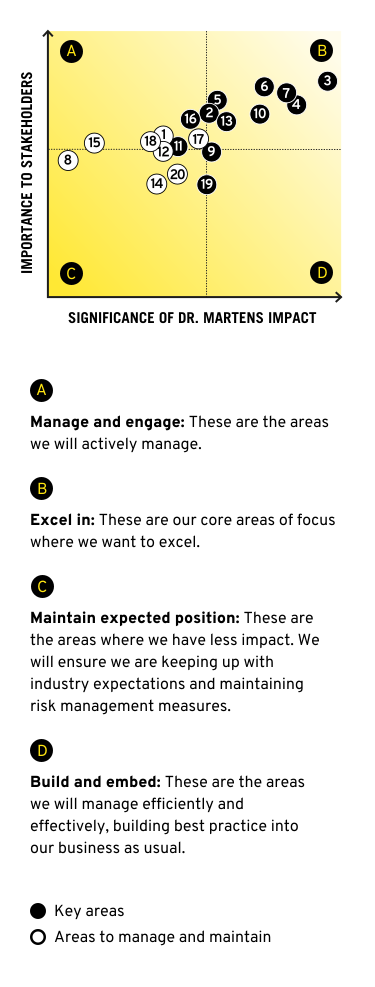
Key areas
Land, biodiversity and ecosystems impacts of raw material production.
Environmental impacts from supply chain manufacturing processes.
Modern slavery, human rights and labour rights in the supply chain.
Circular economy (resource efficiency, durability, repair, end of life).
Innovation in design and sustainable materials.
Chemicals management and product compliance (product safety).
Packaging materials and design.
Responsible treatment of suppliers.
Energy and climate (Net Zero and climate risk).
Waste management (reduction and recycling).
Diversity, equity and inclusion.
Volunteering, charitable support and local communities.
Other areas to manage and maintain
Animal welfare.
Local procurement.
Air and water management and impacts.
Store concept: resource efficiency and sustainable materials.
Job creation, human capital and employee development.
Pay, employee wellbeing and benefits.
Occupational health and safety.
Economic and social development
in supply chain communities.